Please search using keywords or by using the reference number printed in the paper e.g. 123456. Purchased photos are for private use only.
Please search using keywords or by using the reference number printed in the paper e.g. 123456. Purchased photos are for private use only.
06:04PM, Tuesday 24 February 2026

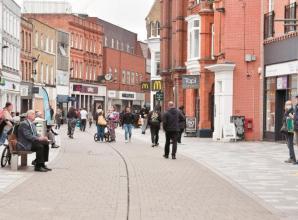
Stock image of Maidenhead High Street.
Residents are being asked to ‘make a difference’ and vote in a referendum for a Maidenhead Neighbourhood Plan, which will influence planning decisions in the town through to 2039.
The Maidenhead Neighbourhood Forum started working on the plan back in 2023, with the next stage – a local referendum – set to take place on Thursday, March 19.
The plan would cover the seven unparished areas in Maidenhead: Boyn Hill, Oldfield, Pinkneys Green, Riverside, St Mary’s, Belmont and Furze Platt.
It includes policies on local green spaces, housing mix, biodiversity, design, built heritage, climate and travel to guide future developments.
In January, an independent examiner assessed the draft plan and the policies included within it, which will have equal weight in planning decisions with other council policies if it is adopted.
Consultations also took place in 2024 and 2025, offering residents the chance to comment on the draft plan before having a final vote in next month’s referendum.
Speaking to the Local Democracy Reporting Service (LDRS), Andrew Ingram, one of the co-chairs of the Maidenhead Neighbourhood Forum, said: “This is your chance to have your say and get involved.
“It’s your chance to make a difference if you are concerned about the changes going on in the town.
“It’s not a magic wand, [you] can’t sort of make all the things you don’t like go away but it means we’ve got policies for the future which should make sure that the town develops in a way that is more preferable.”
He added that a specific policy focuses on the housing mix in Maidenhead, with the balance between flats and family homes ‘needing to be restored’.
The housing mix objective sets out that the proportion of three and four-bedroom homes should be increased due to a greater need for family homes and to ensure the market is ‘not distorted by an imbalance in availability’.
Mr Ingram said the neighbourhood plan also names important green spaces across Maidenhead and explains why these should be protected.
The sites listed include Pinkneys Green, Sailing Club Lake, Oaken Grove Park, Boyn Grove Park and Desborough Park.
This policy can then be used to judge if a developer would be allowed to build on an open green space or not.
Mr Ingram said: “If you’re damaging nature by doing some development work you mustn’t just restore it, you actually have to add back to it, so you get 10 per cent more [biodiversity net gain] at the end of it.”
He added that this is included in the Borough Local Plan (BLP) already, but the neighbourhood plan specifies that the biodiversity net gain needs to be ‘put back’ within the borough rather than in other parts of the country.
Residents will be able to vote in the referendum in person or via post, with polling cars for those who are registered expected to start arriving from February 28.
A report which was presented at a Royal Borough cabinet meeting last month said the referendum and independent examination is estimated to cost the council just under £98,000, which includes the cost of multiple polling stations and ‘significant’ postage.
A Government grant is anticipated to offset this by £20,000. The council then needs to cover the remaining £77,699. This was included as a growth bid in the 2025/26 budget.
Top Articles

A Slough man who harassed his colleague by sending her pornographic images and inappropriate messages has been sentenced.
© Copyright 2024 Baylis Community Media CIC All right reserved